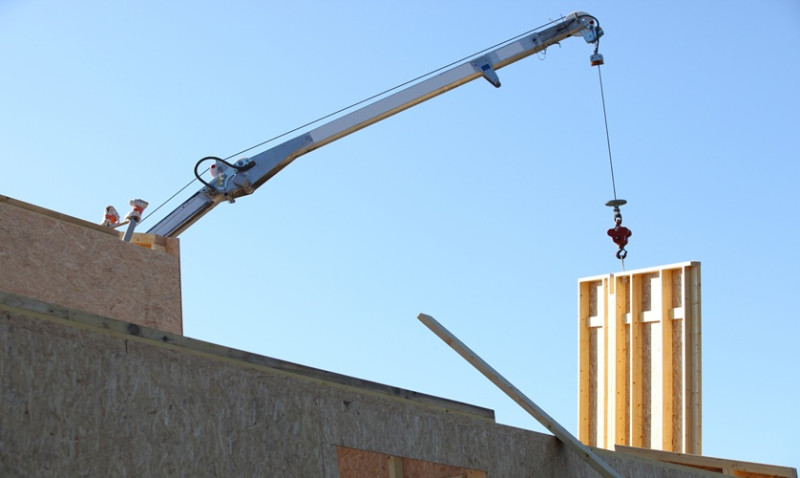
Your roof is one of the most critical investments in your home. It protects everything inside from the elements, and a poor installation or repair can cost you thousands in water damage, structural decay, and expensive remedial work. Yet many homeowners hire a roofer based on a quick online search and the first quote that arrives.
Choosing the right roofer isn't just about price. It's about finding someone qualified, reliable, and insured—someone who will stand behind their work. This guide walks you through the due diligence process, so you can hire with confidence.
What Qualifications and Accreditations Should You Look For?
Before you even ask questions, check that a roofer holds the right credentials. In the UK, there's no single mandatory licence for roofers, but several accreditations carry real weight:
- NFRC (National Federation of Roofing Contractors) — The industry gold standard. NFRC members must meet strict standards, insurance requirements, and health and safety protocols. This is a sign of professionalism.
- RIBA Chartered Practices — If your project involves architectural design or heritage work, look for RIBA membership.
- CITB (Construction Industry Training Board) — Evidence of recognised training and apprenticeship standards.
- Gas Safe Register or OFTEC — Only relevant if they're installing heating systems on your roof.
- FENSA or CERTASS — For windows and glazing work on roofs.
- Insurance backed guarantees — Companies like LABC Warranties or NHBC Buildmark offer 10-year structural guarantees that are transferable if you sell.
Ask to see certificates. Any reputable roofer will provide them without hesitation.
The 10 Questions to Ask a Roofer
1. Are You a Member of the NFRC or Similar Trade Body?
This question filters out cowboys immediately. Membership of a recognised trade body means they've passed vetting, maintain insurance, and comply with industry standards. If they hem and haw, move on.
2. Can You Provide References From Recent Domestic Projects?
Ask for at least three references from work completed in the last 12 months. Ask if you can contact them directly. A trustworthy roofer won't mind—and their past clients can tell you about workmanship, tidiness, communication, and whether the job stayed on schedule.
3. What Qualifications Do Your Tradespeople Hold?
You want to know whether the person on your roof is a qualified roofer or a labourer. Ask about NVQs, apprenticeships, or CITB certification. Roof work is dangerous and technical—it matters.
4. What Insurance Do You Carry, and Can I See the Certificates?
Public liability insurance (typically £1–10 million) is essential. This protects you if someone is injured or property is damaged during the work. Employers' liability is mandatory if they have employees. Ask for proof and check the policy covers the type of work you need done. Never accept a verbal promise to "add you to their cover"—that isn't how it works.
5. How Long Will the Work Take, and What's Your Contingency Plan?
Roof work is weather-dependent. Ask for a realistic timeframe and what happens if it rains halfway through. Do they have a contingency schedule? Will they protect your home if work stalls? Poor planning is a red flag.
6. What Guarantee or Warranty Do You Offer?
Most roofers offer 5–10 years on labour. Some offer insurance-backed guarantees (like LABC Warranties) that are independent and transferable. This is valuable if you sell your home. Understand what's covered: does it include materials? Leaks? Workmanship? Get it in writing.
7. Will You Provide a Detailed Written Quote, and What Does It Include?
A proper quote breaks down materials, labour, VAT, and disposal costs. It should reference the work specification (type of tiles, pitch, ridge details, guttering, etc.). Be wary of round-number quotes or ones with vague descriptions. You need clarity to compare fairly.
8. Are You VAT Registered, and Will You Charge VAT?
Most roofers are VAT-registered (turnover above £85,000). If they're not and quote you ex-VAT, check you're not being charged twice. If they're unregistered and quote all-in, that's fine—just understand the difference. VAT should be itemised on your invoice.
9. Do You Use Subcontractors, and If So, Who Are They?
Some roofers use subbies for scaffolding, guttering, or structural work. That's fine—but you need to know who they are and that they're also insured and qualified. Ask for names and check their credentials too. You're ultimately hiring the main contractor, so they're responsible for everyone on site.
10. What Happens If Something Goes Wrong During or After the Work?
A good roofer has a clear complaints procedure and a process for rectifying defects. Ask how they'll be contacted if you spot a problem, what the timeframe for remediation is, and whether they'll return promptly. Their answer here tells you a lot about their customer care.
What to Look For in Reviews and Online Profiles
Check Google reviews, Trustpilot, and the NFRC directory. Look for patterns, not isolated comments. One negative review among 50 five-stars is different from 10 complaints about delays or poor finishing.
Pay attention to how the roofer responds to criticism. A defensive or absent response suggests poor customer relations. A professional, solution-focused reply shows they take feedback seriously.
Verify that reviews mention roof work specifically—not just "general building work." Roof expertise is distinct.
Red Flags to Watch For
- Pressure to pay upfront — Legitimate roofers ask for a deposit (typically 10–25%) and stage payments. Demanding full payment before work begins is dangerous.
- Cash-only transactions — This often indicates they're avoiding tax and aren't registered businesses. Avoid it.
- No written quote or contract — Always get it in writing, including scope, timeline, and price.
- Vague about insurance — If they can't show you proof, don't hire them.
- No references available — Anyone worth hiring can provide past clients to contact.
- Unusually cheap quotes — Roofers with suspiciously low prices often cut corners on materials or labour. If it seems too good to be true, it is.
- Poor communication — If they're hard to reach before you hire them, it won't improve after.
How to Compare Quotes Fairly
Obtain at least three written quotes. Make sure they're based on the same specification—same materials, same scope of work, same timeframe. Compare line-by-line, not just the bottom figure.
A quote £2,000 cheaper might use inferior tiles or skip necessary flashing work. Ask why quotes differ. If one is significantly lower, ask what they're not including.
Consider the company's track record, not just price. Saving £500 now could cost you £5,000 in repairs later.
Find Your Perfect Roofer
Hiring the right roofer takes time, but it's time well spent. By asking these questions, checking credentials, and comparing quotes properly, you'll make a confident choice and protect one of your home's most valuable assets.
Ready to find a vetted, qualified roofer in your area? Browse our directory of NFRC-registered and certified roofers across the UK at roofersaround.co.uk. All our listed traders have been checked for credentials, insurance, and customer feedback—so you can hire with peace of mind.
```Trending articles
- Roof Repair Costs in the UK: What ... May 2026
-
 How to Find a Trustworthy Roofer ...
Mar 2026
How to Find a Trustworthy Roofer ...
Mar 2026
-
 How to Find a Reliable Roofer in the ...
Mar 2026
How to Find a Reliable Roofer in the ...
Mar 2026
-
 Roof Types in the UK: Which Does Your ...
Mar 2026
Roof Types in the UK: Which Does Your ...
Mar 2026
-
 Roof Repair Costs in the UK: A Price ...
Mar 2026
Roof Repair Costs in the UK: A Price ...
Mar 2026
-
 Roofer Day Rates and Prices in 2026: ...
Feb 2026
Roofer Day Rates and Prices in 2026: ...
Feb 2026

Related Articles