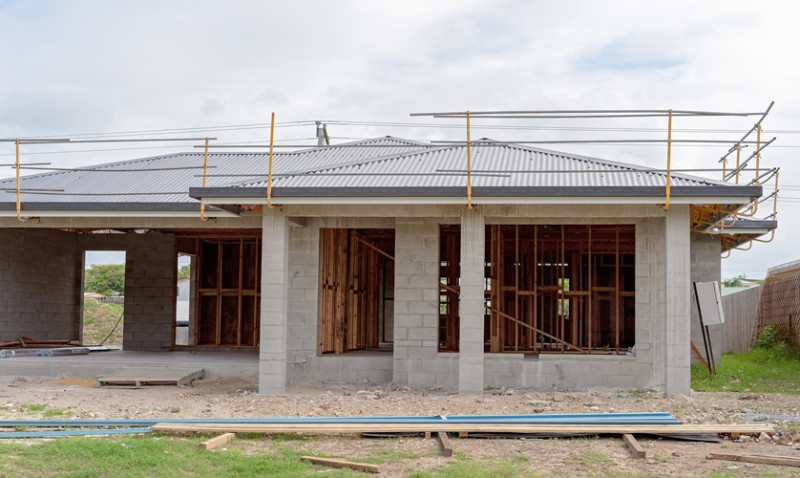
If you're facing a roof repair, replacement, or new installation, the first question is always the same: how much will it cost? The honest answer is that roofing prices vary significantly depending on what you need done, where you live, and the materials you choose. In 2026, expect to pay anywhere from £1,500 to £3,000 for a straightforward repair, and £5,000 to £20,000+ for a full roof replacement on a typical three-bedroom semi-detached house. Read on to understand what drives these costs and how to get a fair quote.
What Affects Your Roofing Costs
Roofing isn't a one-size-fits-all job. Several factors will influence what you'll actually pay:
Property Size and Roof Area
The larger your roof, the more material and labour you'll need. A small terraced house with a roof area of around 100 square metres will cost significantly less than a four-bedroom detached property with a 250 square metre roof. Roofers typically quote based on the number of squares (a roofing square equals 100 square feet, or roughly 9.3 square metres), so knowing your roof area is essential when comparing quotes.
Roof Pitch and Complexity
A simple, gently pitched roof is cheaper to work on than a steeply pitched roof with multiple angles, valleys, and dormers. Complex roofs take longer, require more skilled labour, and present higher safety risks, all of which increase costs. Flat roofs are often cheaper per square metre than pitched roofs, but they have different maintenance requirements and lifespan considerations.
Material Choice
The material you choose makes a substantial difference. Asphalt shingles or concrete tiles are the most budget-friendly options in the UK. Natural slate, clay tiles, and metal roofing cost considerably more upfront but offer superior longevity and aesthetic appeal. A slate roof can cost three to four times more than asphalt, but will last 50+ years compared to 20–30 years for asphalt.
Existing Roof Condition
If your old roof needs to be stripped away and disposed of, that adds labour and waste removal costs. Some jobs allow for re-roofing (laying new material over old), which saves time and money—but this isn't always possible or advisable.
Access and Safety
Properties in difficult-to-access locations, or those requiring temporary scaffolding or safety equipment, will cost more. A cottage on a steep hillside with restricted access will be pricier than a standard semi-detached house on a flat street.
Average Roofer Costs in 2026: Regional Breakdown
London and South East
Expect to pay the highest rates here. Day rates for experienced roofers typically range from £150–£250 per day, with rates sometimes reaching £300+ in central London. Labour costs often dominate quotes in this region. A full roof replacement on a three-bed semi could easily reach £15,000–£25,000.
Midlands and North West
Costs drop noticeably outside the South East. Roofer day rates in this region average £120–£180 per day. You might expect a full replacement on a typical three-bed property to cost £8,000–£15,000. These regions offer better value without sacrificing quality.
Scotland, Wales, and Northern England
Prices are generally the lowest here, with day rates around £100–£150 per day. A complete roof replacement could range from £6,000–£12,000. However, some rural areas may see slightly higher costs due to travel time and reduced competition.
UK Average
Taking the country as a whole, a typical three-bedroom semi-detached house roof replacement costs between £8,000 and £15,000 all-in. Simple repairs or smaller projects range from £1,500 to £3,500.
Day Rates vs. Fixed Project Quotes
Roofers typically charge either a daily rate or a fixed price for the entire job.
Day rates range from £100–£250 per day depending on region and experience. This approach can be risky for homeowners, as unexpected complications can push costs higher. A job quoted at five days might stretch to seven or eight if the existing roof is worse than anticipated.
Fixed-price quotes give certainty. A roofer will assess the scope of work and quote a total fee for the complete job. This is preferable for most homeowners, as it removes the risk of cost overruns—provided the quote was accurate. Always ask if the fixed price includes unforeseen damage discovered during work; most reputable roofers will quote extras separately if these arise.
Many roofers use a hybrid approach: a fixed price for the main work, with a daily rate applied if unexpected repairs are needed.
What's Included in Your Quote (and What Might Cost Extra)
A transparent quote should include:
- Labour to remove the old roof (if applicable)
- Cost of new roofing materials
- Underlay and battens
- Guttering work (if needed)
- Flashings around chimneys and vents
- Waste disposal
- VAT at 20%
Extras that might not be included:
- Structural repairs to the roof deck (if rot or decay is discovered)
- Scaffolding (sometimes charged separately)
- Replacement of damaged fascias or soffits
- Asbestos removal (if your old roof contains it)
- Redecorating interior ceilings if water damage exists
Always ask your roofer to clarify what happens if structural issues are uncovered. A reputable professional will explain the process and costs before proceeding.
How to Get an Accurate Roofing Quote
Don't accept the first quote you receive. Follow these steps:
Get at least three quotes. Compare like-for-like specifications: same materials, same scope of work, same timescale. Quotes that differ wildly should raise questions.
Provide clear information. Tell each roofer the same details: roof area (or let them measure it), age of current roof, pitch, and complexity. Inconsistent information will lead to inconsistent quotes.
Ask for a site visit. Any credible roofer will visit your property before quoting. Phone or online quotes are often inaccurate.
Request a detailed breakdown. You should see materials listed separately from labour. This transparency helps you understand where your money goes.
Check credentials. Look for roofers who are NFRC (National Federation of Roofing Contractors) members or equivalent. These professionals adhere to industry standards and offer guarantees on their work.
Red Flags: When a Quote Is Too Low
A suspiciously cheap quote is a warning sign, not a bargain:
- Unspecified materials: If the quote doesn't say what type of tiles or shingles you're getting, the roofer may be planning to use lower-grade products.
- No site visit: Quotes given over the phone without inspecting your roof are guesses.
- No written warranty: Legitimate roofers guarantee their work in writing, usually for 10 years on materials and labour.
- Cash-only payments: Legitimate traders are happy to provide invoices and accept bank transfers. Cash-only operators may lack insurance or are avoiding tax.
- Pressure to decide immediately: A roofer who rushes you is showing poor professionalism. A quality roofer has work lined up and doesn't need high-pressure tactics.
- No public liability insurance: Always ask to see proof of insurance. Without it, you're liable if someone is injured on your property.
Finding a Trustworthy Roofer
The best approach is to start with a directory of vetted professionals. Roofersaround.co.uk lists qualified roofers across the UK, with customer reviews, credentials, and service areas listed for each trader. This removes much of the legwork in finding someone reliable in your area, and you'll have multiple quotes from proven professionals within days.
Get three detailed quotes, compare specifications carefully, and choose a roofer who communicates clearly, offers transparent pricing, and can provide references from recent work.
Trending articles
- Roof Repair Costs in the UK: What ... May 2026
-
 How to Find a Trustworthy Roofer ...
Mar 2026
How to Find a Trustworthy Roofer ...
Mar 2026
-
 How to Find a Reliable Roofer in the ...
Mar 2026
How to Find a Reliable Roofer in the ...
Mar 2026
-
 Roof Types in the UK: Which Does Your ...
Mar 2026
Roof Types in the UK: Which Does Your ...
Mar 2026
-
 Roof Repair Costs in the UK: A Price ...
Mar 2026
Roof Repair Costs in the UK: A Price ...
Mar 2026
-
 Roofer Day Rates and Prices in 2026: ...
Feb 2026
Roofer Day Rates and Prices in 2026: ...
Feb 2026

Related Articles