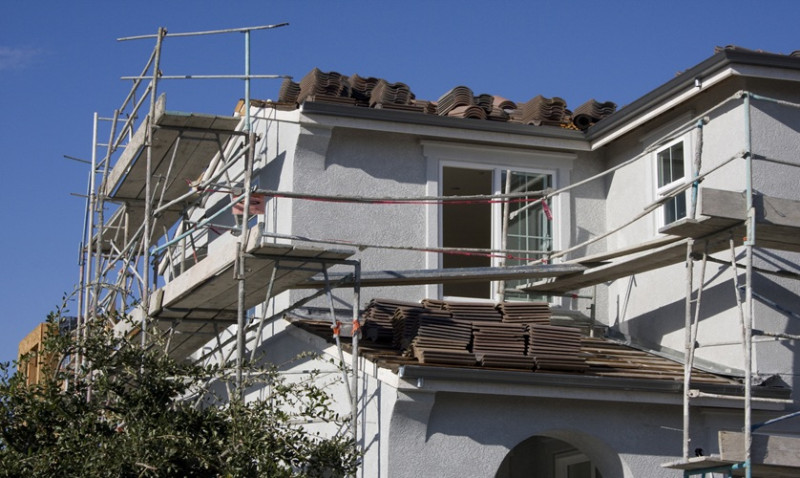
Roofing costs in the UK range from £1,500 to £15,000+ depending on the type of material, roof size, and complexity of the job. As of 2026, most homeowners spend between £4,000 and £8,000 for a standard semi-detached house roof replacement. This guide breaks down real prices, labour rates, and the factors that affect what you'll actually pay.
Average UK Roofing Costs by Material Type
The material you choose determines most of your roofing cost. Pitched roofs with tiles or slates dominate the UK market, but flat roofs and alternative materials offer different price points.
Concrete or Clay Tiles
Expect to pay £80–£150 per square metre for materials and labour combined. Concrete tiles are the most common and affordable choice for pitched roofs, while clay tiles cost 20–30% more but last longer. Concrete tiles typically last 40–50 years, whereas clay can reach 60+ years. A typical semi-detached house with a 100 m² roof costs £8,000–£15,000 to re-tile. Labour accounts for around 50–60% of this total.
Natural Slate
Premium Welsh or Spanish slate runs £200–£400 per square metre, making it the most expensive pitched-roof option. A 100 m² roof can cost £20,000–£40,000. Slate lasts 100+ years, so the cost-per-year is competitive with cheaper materials over time. You'll also find slate more common in conservation areas and period properties where planning rules may restrict other materials.
Flat Roofs
Flat roofs using felt, EPDM rubber, or asphalt cost £40–£100 per square metre and are the cheapest upfront option. A 50 m² flat roof costs £2,000–£5,000 total. The trade-off is that flat roofs need re-covering every 20–30 years, so you'll replace them more often than pitched roofs. EPDM rubber is more durable and weather-resistant than traditional felt.
Metal Roofs and Alternatives
Standing-seam metal roofs and modern alternatives like composite tiles cost £120–£180 per square metre. These are less common but offer excellent durability (50+ years) and aesthetic variety. Some homeowners install these in rural areas or for barn conversions.
Labour Costs: What Roofers Charge in 2026
Roofer daily rates vary by region and experience. London and the South East command higher prices; rural areas and the Midlands are cheaper.
- London and South East: £250–£400 per day
- Midlands and North: £180–£300 per day
- Scotland: £170–£280 per day
A standard roof replacement takes 5–10 working days depending on size and complexity. This means labour alone runs £1,000–£4,000. Most roofers now quote per square metre rather than daily rate, which gives you clearer pricing upfront. A typical labour rate is £40–£80 per square metre for re-roofing work.
Specialist work costs more. Steep pitches, valleys, dormer windows, and chimney flashing all add complexity and labour time. Removing old roof materials (stripping) adds £10–£20 per m² if needed.
Factors That Push Roofing Quotes Higher
Several hidden factors cause quotes to vary widely, even for identical-sized roofs.
Roof Pitch and Accessibility
Steep roofs (45° or more) take longer and require more safety equipment, adding 15–30% to labour costs. Difficult access, scaffolding requirements, and listed building status all increase the price. A simple, low-pitch roof on a bungalow costs less than a steep Victorian terraced house roof.
Existing Roof Condition
Stripping old materials costs £10–£20 per m². If the roof deck is damaged, you'll need structural repairs before new tiles or slates go on. This can add £500–£3,000 depending on extent. Roofers often find dry rot, rotten joists, and missing sarking board during the job, which complicates quotes.
Location and Regional Premiums
London prices run 30–40% higher than rural areas. Coastal properties and exposed locations face higher material costs, as better wind resistance is required, and projects take longer. Storm-damaged roofs sometimes need emergency work at premium rates.
Size of Project
Small repairs or single-room extensions are inefficient and cost more per m². Full roof replacements achieve better economies of scale. A 150 m² roof typically costs less per m² than a 50 m² flat-roof repair on a garage.
Getting Accurate Roofing Quotes: What to Compare
A proper roofing quote must include:
- Total roof area in square metres
- Material type, grade, and quantity
- Labour cost breakdown (per m² or total days)
- Stripping and removal costs
- Scaffolding and safety equipment hire
- Disposal of old materials
- Timeline and weather contingency
- Warranty length and what it covers
- VAT itemised at 20%
Always get 3–4 quotes from NFRC or FPA-registered roofers. Quotes often vary by £2,000–£5,000 for the same job. This reflects different overheads, material suppliers, and methods. The cheapest quote isn't always best. Poor workmanship shows up after 2–3 years when water damage appears.
Be wary of quotes that are 30–40% below others. Check if the roofer's public liability and employer's liability insurance is current. This protects you if someone is injured on your property.
Roof Replacement vs. Repairs: When to Replace
Spot repairs cost £200–£800 per repair (single slate, ridge tile, flashing). Full replacement is justified when:
- The roof is 40+ years old (concrete tiles) or 50+ years (clay)
- More than 10% of the surface shows damage, missing tiles, or moss
- Multiple leaks occur in different areas
- Structural surveys identify widespread deterioration
- You're selling the property (buyers and surveyors flag poor roofs immediately)
Repairing a failing roof repeatedly becomes false economy. If you're spending £500–£1,000 annually on repairs, a full replacement at £6,000–£10,000 costs less per year over 8–10 years.
Do You Need Planning Permission or Building Regulation Approval?
Like-for-like roof replacement (same materials, same shape) doesn't need planning permission in most cases. Changing the roof type, adding dormers, or altering the roofline typically does. Check with your local planning authority first. Listed buildings always need conservation officer approval.
Building Regulation approval is required for all roof work in England and Wales. Your roofer should arrange this (Part L energy efficiency) or you can apply yourself. The cost is £150–£400 for approval and inspection. NFRC members are often Building Regulation certified, which simplifies the process.
Money-Saving Tips for Roofing Work
Timing and preparation reduce costs without compromising quality.
- Plan ahead: Emergency repairs in storms cost 50% more. Schedule work for autumn or early spring when roofers have availability.
- Combine with other work: Re-roofing alongside guttering, fascia, or loft insulation saves on scaffolding hire and reduces total labour hours.
- Compare material grades: Grade 2 concrete tiles are adequate. You don't need premium grades unless your home is exposed or coastal.
- Ask about guarantees: NFRC-registered roofers offer 10-year workmanship guarantees. Some provide 25-year product warranties with premium materials.
- Budget for discovery: Always reserve 10–15% contingency for hidden structural damage or unforeseen issues.
Frequently Asked Questions
How long does a roof replacement take?
A standard pitched roof replacement takes 5–10 working days depending on size (100–150 m²) and weather. Flat roofs are faster (2–4 days). The project duration extends if existing roof damage or weather delays occur. Most roofers quote 2–3 weeks total including prep and inspection.
Is slate roofing worth the cost?
Yes, if you're planning to stay in the property 20+ years. Slate costs 2–3 times more than tiles upfront but lasts 100+ years, making the annual cost lower. It also increases property value and is required in conservation areas. For short-term owners, concrete tiles offer better value.
Can I get a roofing grant or government support?
The ECO4 scheme (Energy Company Obligation) may fund roof insulation if you're on low income or receiving certain benefits, but grants for roof replacement itself are rare. Check with your local council's home improvement service or a registered energy surveyor for eligibility.
What should I check on a roofer's insurance and qualifications?
Verify they're registered with NFRC (National Federation of Roofing Contractors) or FPA (Flat Roofing Alliance), hold current public liability insurance (at least £1 million), and employer's liability cover if they employ staff. Ask for references and proof of Building Regulation certification. Never hire unregistered traders offering cash-in-hand work.
How do I know if my roof needs replacing or just repairing?
Get a structural survey (£300–£600) if you're unsure. Signs of replacement need: sagging roof line, widespread missing tiles, interior water stains in multiple rooms, moss or algae growth over 50% of surface, or roof age over 45 years. A surveyor gives you a clear, independent answer before committing to a quote.
Compare trusted roofers near you. QuoteBank shows you verified local businesses — you pick who contacts you. No cold calls, no obligation.
Trending articles
- Roof Repair Costs in the UK: What ... May 2026
-
 How to Find a Trustworthy Roofer ...
Mar 2026
How to Find a Trustworthy Roofer ...
Mar 2026
-
 How to Find a Reliable Roofer in the ...
Mar 2026
How to Find a Reliable Roofer in the ...
Mar 2026
-
 Roof Types in the UK: Which Does Your ...
Mar 2026
Roof Types in the UK: Which Does Your ...
Mar 2026
-
 Roof Repair Costs in the UK: A Price ...
Mar 2026
Roof Repair Costs in the UK: A Price ...
Mar 2026
-
 Roofer Day Rates and Prices in 2026: ...
Feb 2026
Roofer Day Rates and Prices in 2026: ...
Feb 2026

Related Articles